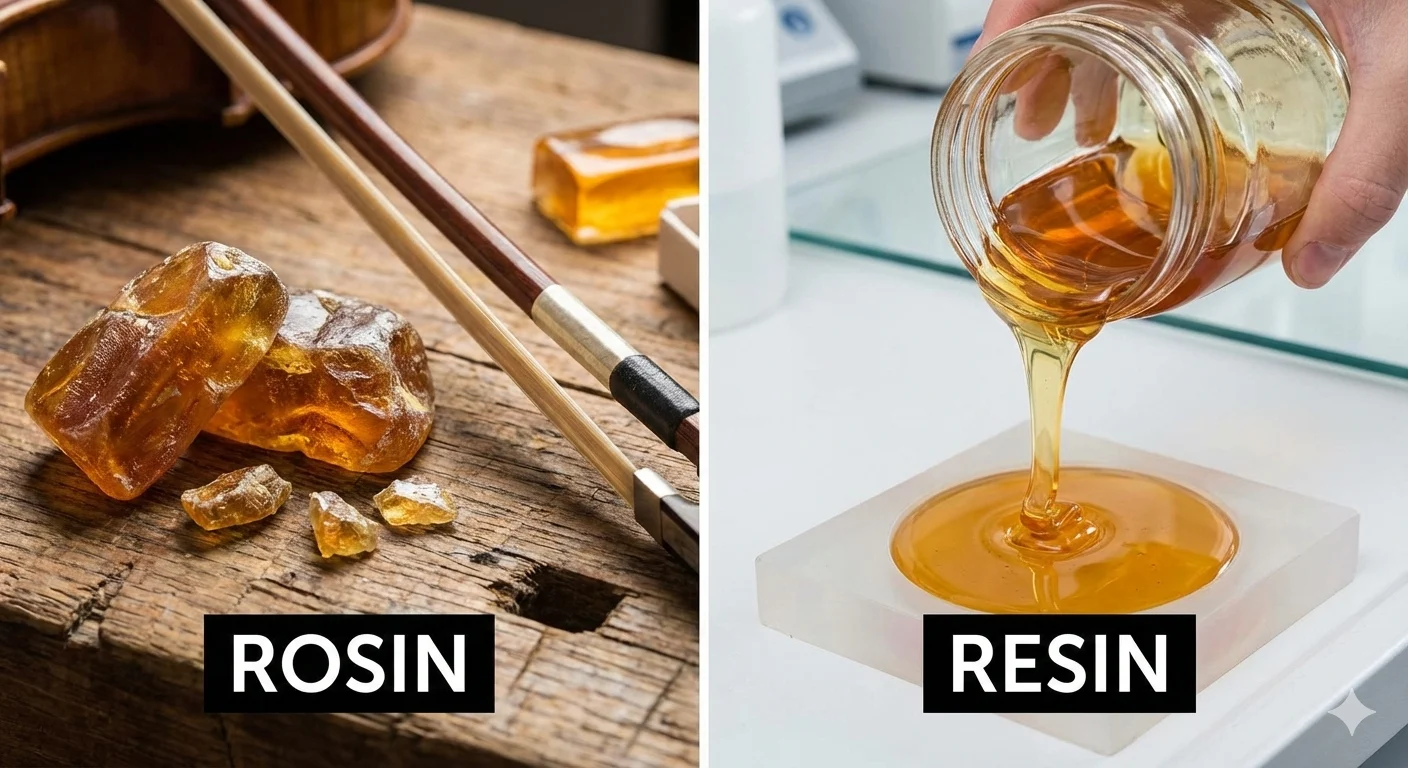
Are you confused about rosin and resin? Many people struggle with these terms because they appear in music, sports, woodworking, industry, and cannabis. Understanding the difference is essential for clear writing, professional communication, and product descriptions.
Violinists apply rosin for violin to help bows grip strings. Athletes use gum rosin for better grip in gymnastics or weightlifting. Cannabis enthusiasts prefer live rosin resin, a solvent-free, high-purity concentrate. Industrially, colophony resin is used in adhesives, varnishes, and inks.
This guide explains the difference between rosin and resin, explores British vs American spelling, shows common mistakes, and provides usage tips. You’ll also discover Google Trends insights, FAQs, internal and external links, image alt text suggestions, and regional considerations, so your content is authoritative, SEO-friendly, and fully aligned with 2026 Google standards.
By the end, you’ll confidently know what rosin is, what resin is, when to use each term, and how to write or sell products using these keywords.
Rosin or Resin Means
Rosin and resin are sticky substances derived from plants, mainly pine trees.
- Rosin: Solid form obtained by heating resin and removing volatile oils. Common uses: violin bows, sports grips, adhesives, live rosin resin.
- Resin: General term for plant sap or synthetic materials. Used in varnishes, inks, adhesives, industrial products.
Examples:
- “The violinist applied rosin to her bow before playing.”
- “Woodworkers mix resin with varnish for a smooth finish.”
- “Live rosin resin is a premium cannabis concentrate.”
Pro Tip: Always include the context to increase clarity and SEO relevance.
The Origin of Rosin or Resin
- Resin: From Latin resina, meaning sticky plant sap. Used historically in medicine, art, and industry.
- Rosin: From Old French resine, meaning processed resin after volatile oils are removed. Used in music, sports, and chemical applications.
Spelling Differences:
- British English prefers resin.
- American English popularized rosin for musical instruments, sports, and cannabis products.
Fun Fact: Violinists historically heated colophony resin to improve bow friction—a tradition still in use today.
British English vs American English Spelling
| Feature | British English | American English | Example |
|---|---|---|---|
| Term | Resin | Rosin | “The violinist applied rosin to her bow.” |
| Usage | General, industrial | Music, sports, cannabis | “Gum rosin improves grip.” |
| Adjective | Resinous | Rosiny / Rosin | “The resinous pine sap is sticky.” |
| Cannabis Products | Resin | Live rosin resin | “Live rosin resin is highly pure.” |
Tip: Use rosin for US audiences and musical or cannabis contexts; use resin for global or industrial writing.
Which Spelling Should You Use?
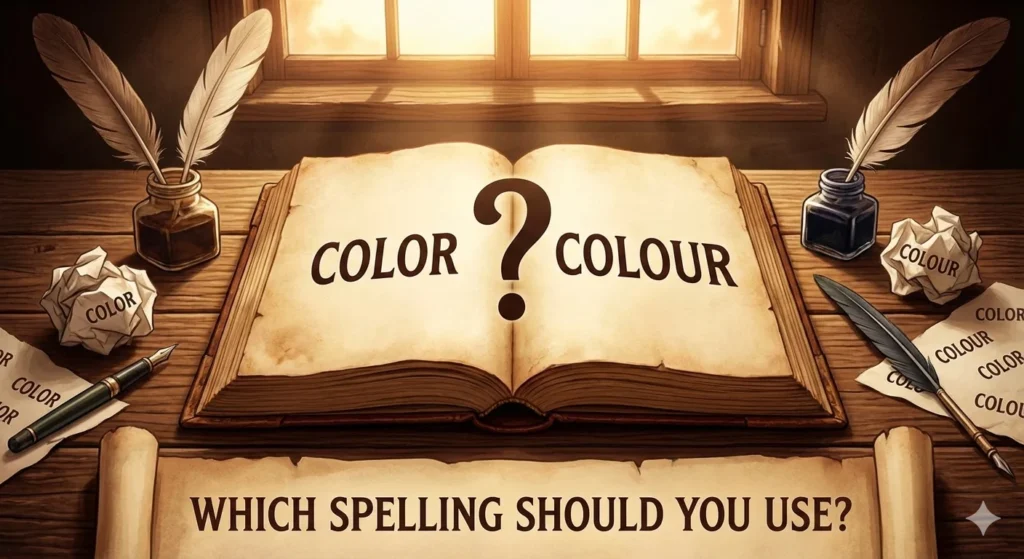
- US: Use rosin for music, sports, and cannabis.
- UK / Commonwealth: Use resin in general contexts.
- Global: Default to resin except for violin bows or cannabis.
Pro Advice: Always clarify context:
- “Rosin for violin” → musicians
- “Colophony resin” → industrial/educational use
Common Mistakes with Rosin or Resin
- Using resin for violin bows ❌
- Mixing gum rosin uses with synthetic resin ❌
- Misspelling rosin as “rosine” ❌
- Confusing industrial resin with cannabis rosin ❌
- Using rosin in UK formal writing incorrectly ❌
✅ Correct examples:
- “The gymnast applied gum rosin to improve grip.”
- “Violinists apply rosin for violin to produce sound.”
Rosin or Resin in Everyday Examples

- Emails: “Please send the resin sample for our woodworking project.”
- News: “Laboratories test live rosin resin for purity and potency.”
- Social Media: “Just applied rosin for violin; bowing feels amazing!”
- Formal Writing: “Colophony resin is widely used in adhesives and varnishes.”
Rosin or Resin – Google Trends & Usage Data
- US: Searches peak for rosin for violin and live rosin resin.
- UK: Resin dominates in woodworking, industrial, and craft contexts.
- Trending Keywords: Gum rosin uses, rosin acid, colophony resin, live rosin resin.
- Insight: Musical rosin peaks during school seasons; cannabis rosin spikes in legal US states.
Rosin / Resin – Comparison Table
| Variation | Use | Audience | Example |
|---|---|---|---|
| Rosin | Violin bows, sports, cannabis | US, musicians, athletes | “Apply rosin for violin.” |
| Resin | Industrial, synthetic, sap | UK, global | “Use resin for varnishing wood.” |
| Live rosin resin | Cannabis concentrate | US, cannabis users | “Live rosin resin is solvent-free.” |
| Colophony resin | Industrial & musical | Global | “Colophony resin is used in adhesives.” |
| Gum rosin | Grip, adhesives | Global | “Gum rosin uses include sports and crafts.” |
FAQs
1. What is rosin for violin?
Rosin is applied to violin bows to create friction between bow hair and strings.
2. What is resin and rosin?
Resin is sticky plant sap; rosin is processed solid resin.
3. Is rosin better for your lungs?
Cannabis live rosin resin is solvent-free and considered safer for inhalation. Tree rosin is not inhaled.
4. What is a rosin used for?
Violin bows, sports grips, adhesives, industrial products, and cannabis concentrates.
5. Does resin or rosin get you higher?
Only cannabis rosin or live rosin resin can be psychoactive.
6. What are gum rosin uses?
Used in adhesives, varnishes, printing inks, and sports grip powders.
7. What is rosin acid?
The main chemical component of rosin, used in soap, ink, and chemical manufacturing.
Regional & Legal Nuances
- Cannabis: Legal in some US states; restricted elsewhere.
- Music: Rosin standard in US orchestras; UK musicians sometimes call it resin.
- Sports: Gum rosin terminology varies by country.
Call-to-Action
Want more tips on rosin / resin? Explore our violin bow care guide, or check out premium live rosin resin products online.
Conclusion
Understanding rosin vs resin is essential in 2026 for music, sports, woodworking, industry, and cannabis. Rosin is processed solid resin, used in violin bows, sports grips, adhesives, and live rosin resin. Resin is plant sap or synthetic material used in varnishes, adhesives, and industrial products.
Use rosin for US audiences, especially musicians, athletes, or cannabis users. Use resin for UK, Commonwealth, or industrial contexts. Avoid common mistakes like mixing terms, misspelling, or using the wrong context.