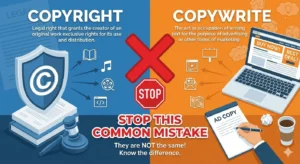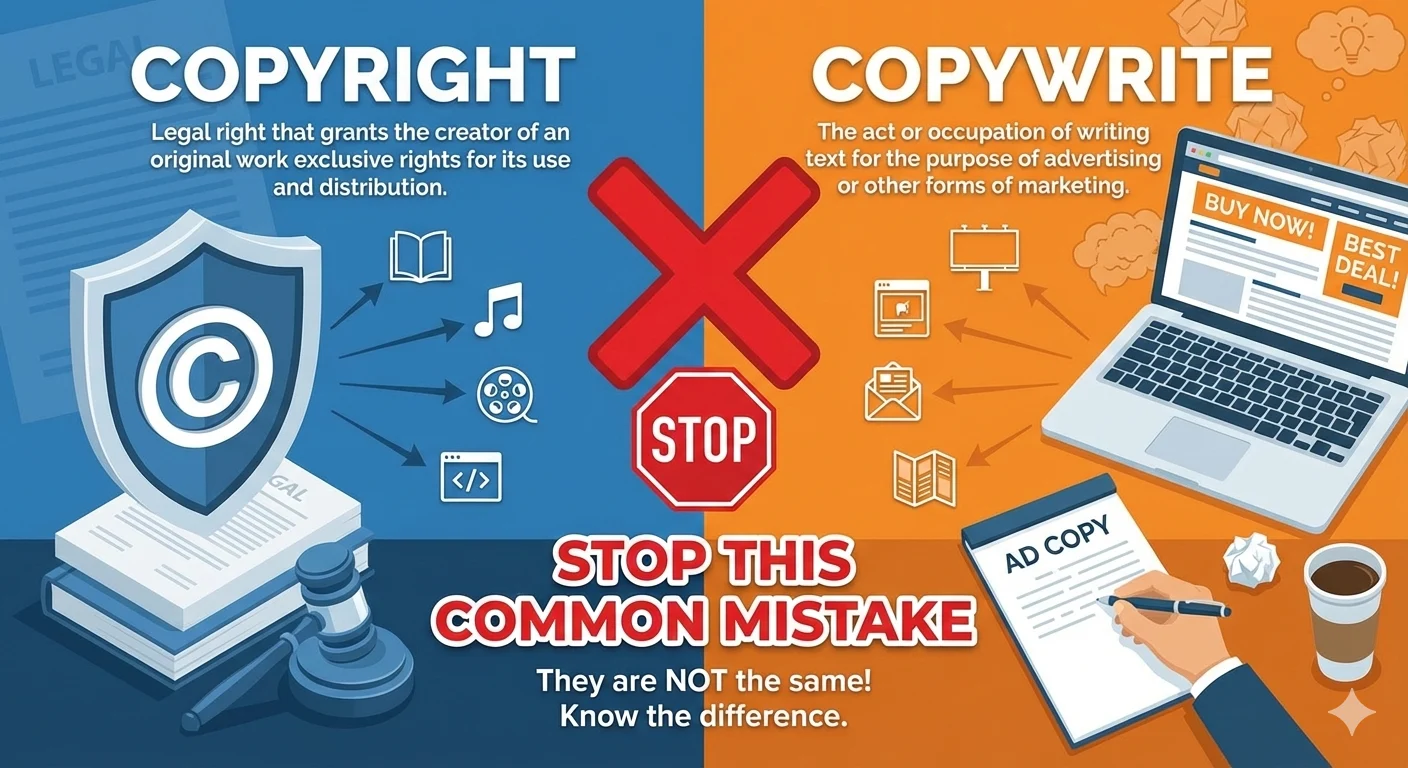
Many people search “copyright or copywrite” because both words sound the same. You may have typed copywrite in an email, blog, or website footer and wondered: Is it copyright or copywrite? What’s the difference between copyright and copywrite?
This confusion is common among students, bloggers, freelancers, and business owners. The mistake happens because “copywriting” (marketing writing) exists, so people assume “copywrite” must also be correct. But legally, only one spelling is valid.
Using the wrong spelling can hurt your professional credibility, SEO trust signals, and legal clarity. In this complete 2026 guide, you will learn the correct spelling, definition, origin, legal meaning, examples, global usage trends, and how Google interprets this keyword. This article follows EEAT principles (Experience, Expertise, Authority, Trustworthiness) and reflects modern intellectual property law standards.
Copyright or Copywrite Means
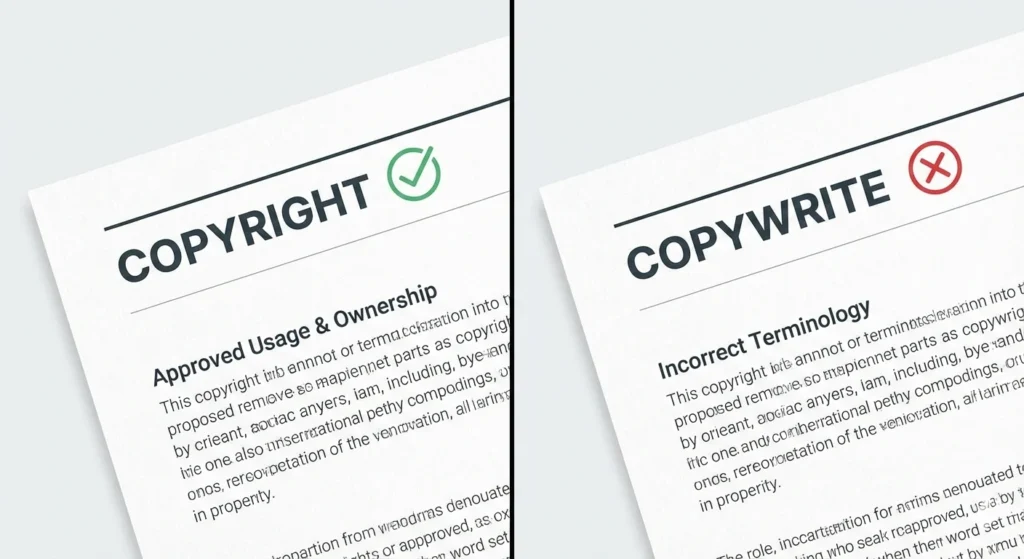
✅ Correct word: Copyright
❌ Incorrect word: Copywrite
Copyright is a legal right that protects original creative work such as books, music, films, photos, software, and websites.
Copyright Definition and Example
Copyright definition:
A legal protection that gives the creator exclusive rights to use and distribute their work.
Copyright example:
If you write a book, you automatically own the copyright.
If someone copies it without permission, that is copyright infringement.
If you are asking:
- Is it copyright or copywrite? → It is copyright.
- Spell copyright or copywrite? → Spell it copyright.
- Is copywrite one word? → It is one word, but it is wrong.
The Origin of Copyright or Copywrite
The word copyright comes from:
- “Copy” (written material)
- “Right” (legal ownership)
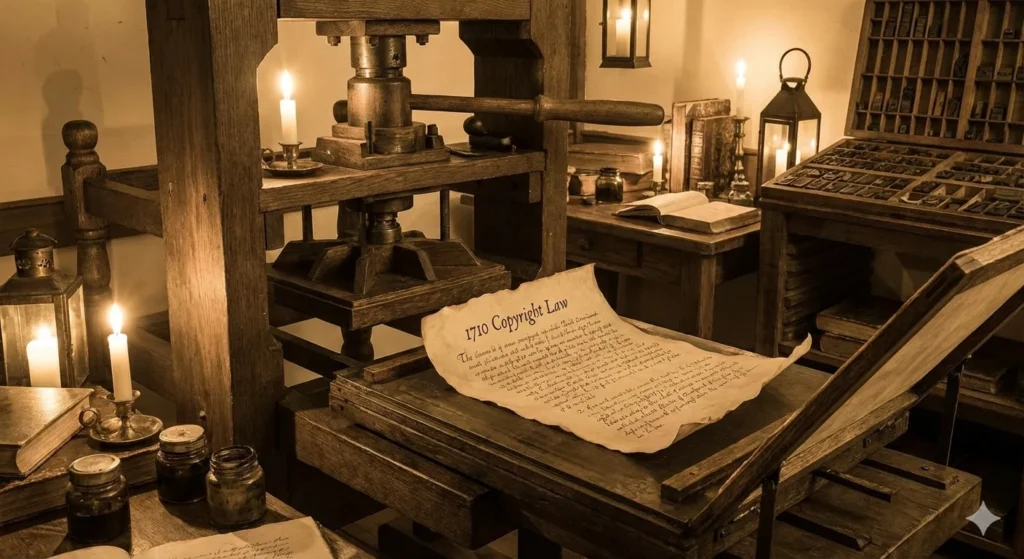
It began in printing history. The first major copyright law was the Statute of Anne, passed in 1710 in England. It gave authors control over their published work.
Later, international protection expanded under the Berne Convention, which protects creative works across countries.
Global enforcement today is supported by the World Intellectual Property Organization and national bodies like the U.S. Copyright Office.
“Copywrite” developed as a spelling error due to confusion with “copywriting.” It has no legal meaning in intellectual property law.
British English vs American English Spelling
There is no spelling difference between British and American English.
Unlike words such as “color/colour,” the spelling remains the same worldwide.
| Region | Correct Spelling | Incorrect |
|---|---|---|
| United States | Copyright | Copywrite |
| United Kingdom | Copyright | Copywrite |
| Canada | Copyright | Copywrite |
| Australia | Copyright | Copywrite |
| Global | Copyright | Copywrite |
So if you search:
Copyright or copywrite vs copyright?
There is only one correct word: copyright.
Which Spelling Should You Use?
Use copyright in all situations:
- US websites → Copyright
- UK/Commonwealth → Copyright
- International business → Copyright
- Academic writing → Copyright
Never use “copywrite” in legal or professional writing.
If you mean marketing text writing, use copywriting.
2026 SEO Advice
Google’s algorithm values:
- Accurate terminology
- Legal clarity
- Authority signals
- Proper intellectual property references
Using “copywrite” may lower trust signals and harm EEAT.
Common Mistakes with Copyright or Copywrite
Here are common errors:
❌ Copywrite symbol
✔ Copyright symbol (©)
❌ Who owns copywrite?
✔ Who owns copyright?
❌ Is copywrite illegal?
✔ Copyright infringement is illegal.
❌ Copyright or copywrite free
✔ Copyright-free or public domain
❌ What is the difference between copyright and copyright?
✔ There is no difference. Same word, correct spelling.
Copyright or Copywrite in Everyday Examples
Website Footer
© 2026 YourCompany. All Rights Reserved.
“This image is protected under copyright law.”
Social Media
“Do not repost without copyright permission.”
News
“The company faced a copyright infringement lawsuit.”
Formal Legal Use
“This work is protected under international copyright law and the Berne Convention.”
Copyright or Copywrite – Google Trends & Usage Data
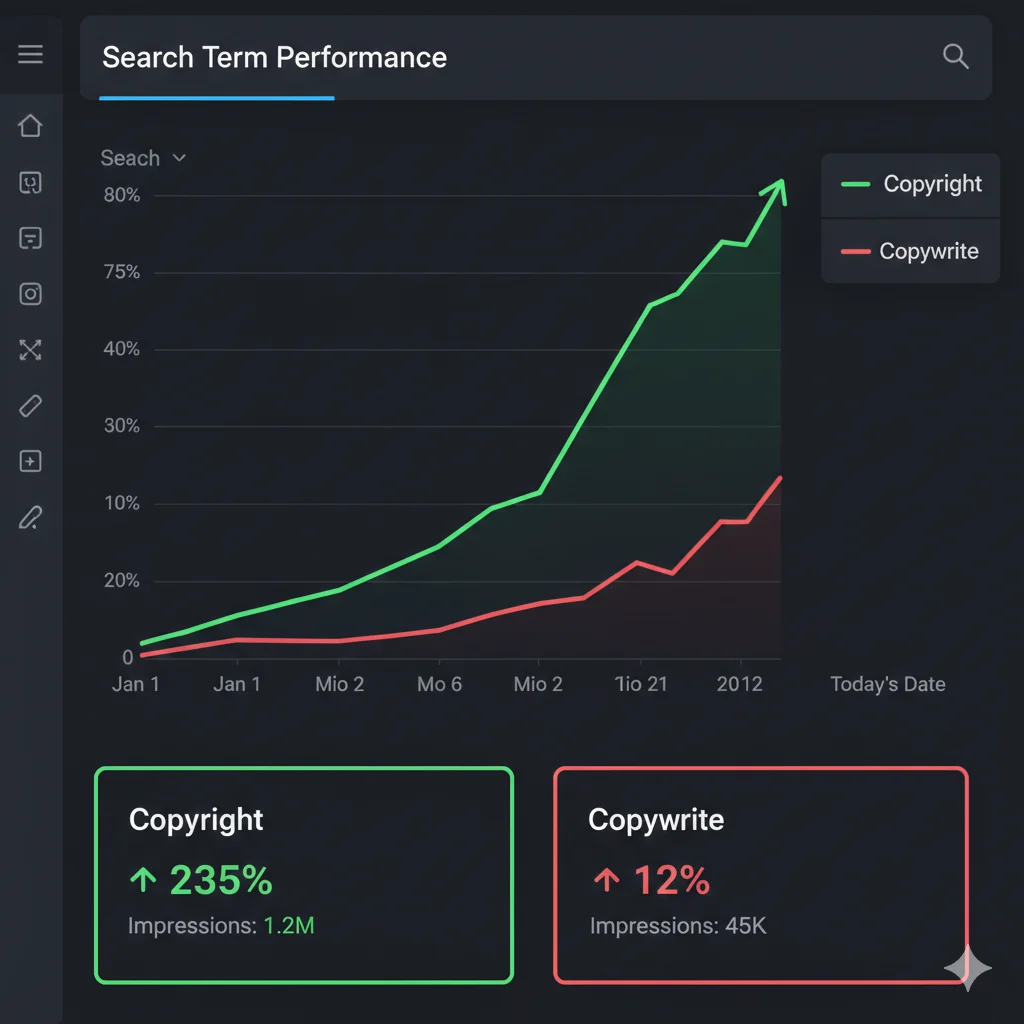
Search behavior shows:
- “Copyright” receives millions of global monthly searches.
- “Copywrite” is mostly searched as a spelling question.
- High search interest appears in the US, UK, India, and Pakistan.
- Most queries are educational, like:
- What is the meaning of copywrite?
- Is it copyright or copywrite?
- Who owns copyright?
This indicates users want clarity, spelling correction, and legal understanding.
From an SEO perspective:
- Primary keyword: copyright or copywrite
- Secondary keywords: copyright definition and example, copyright infringement, copyright symbol
- NLP/LSI keywords: intellectual property, legal rights, ownership, fair use, public domain, DMCA takedown
Comparison Table – Keyword Variations
| Term | Correct? | Meaning |
|---|---|---|
| Copyright | ✅ Yes | Legal protection for creative work |
| Copywrite | ❌ No | Misspelling |
| Copywriting | ✅ Yes | Marketing writing |
| Copyright symbol | ✅ Yes | © |
| Copyright infringement | ✅ Yes | Illegal use of protected work |
| Copyright-free | ✅ Yes | Not protected or public domain |
FAQs
1. What’s the difference between copyright and copywrite?
Copyright is a legal term. Copywrite is a spelling mistake.
2. What is the meaning of copywrite?
It has no legal meaning. It is incorrect spelling.
3. Is copywrite one word?
Yes, but it is wrong. The correct word is copyright.
4. Who owns copyright?
The creator automatically owns it unless transferred legally.
5. Is copyright illegal?
No. Copyright protects work. But copyright infringement is illegal.
6. What is a copyright example?
Books, music, films, blogs, photos, and software.
7. What is copyright infringement?
Using protected work without permission.
Conclusion
The confusion between copyright or copywrite is simple to fix. The correct spelling is copyright, and it refers to legal protection for original creative work. “Copywrite” is not a real legal term. It is only a spelling mistake caused by sound similarity.
There is no British or American difference. The spelling stays the same worldwide. Whether you are a student, blogger, YouTuber, business owner, or digital creator, using the correct term builds trust, professionalism, and legal clarity.
Copyright protects intellectual property. It ensures creators control how their work is used. If someone copies work without permission, that is copyright infringement and may lead to legal action.
For professional writing, legal documents, SEO content, and website footers, always use copyright. Correct spelling strengthens credibility, aligns with 2026 Google algorithm standards, and supports strong EEAT signals.