Ever wondered why some people write “buy” while others write “bye”? This confusion is more common than you think. Whether you’re sending a message, shopping online, or reading a news article, using the wrong word can change the meaning completely.
People often search for [;;;;buy / bye;;;] to understand the difference, especially when encountering phrases like “BuyBye app download” or “Bye Bye” in conversations and social media.
In this article, we will clear up the confusion once and for all. You will learn the difference between “buy” and “bye,” understand their origins, know which spelling to use in different contexts, and see examples from everyday life.
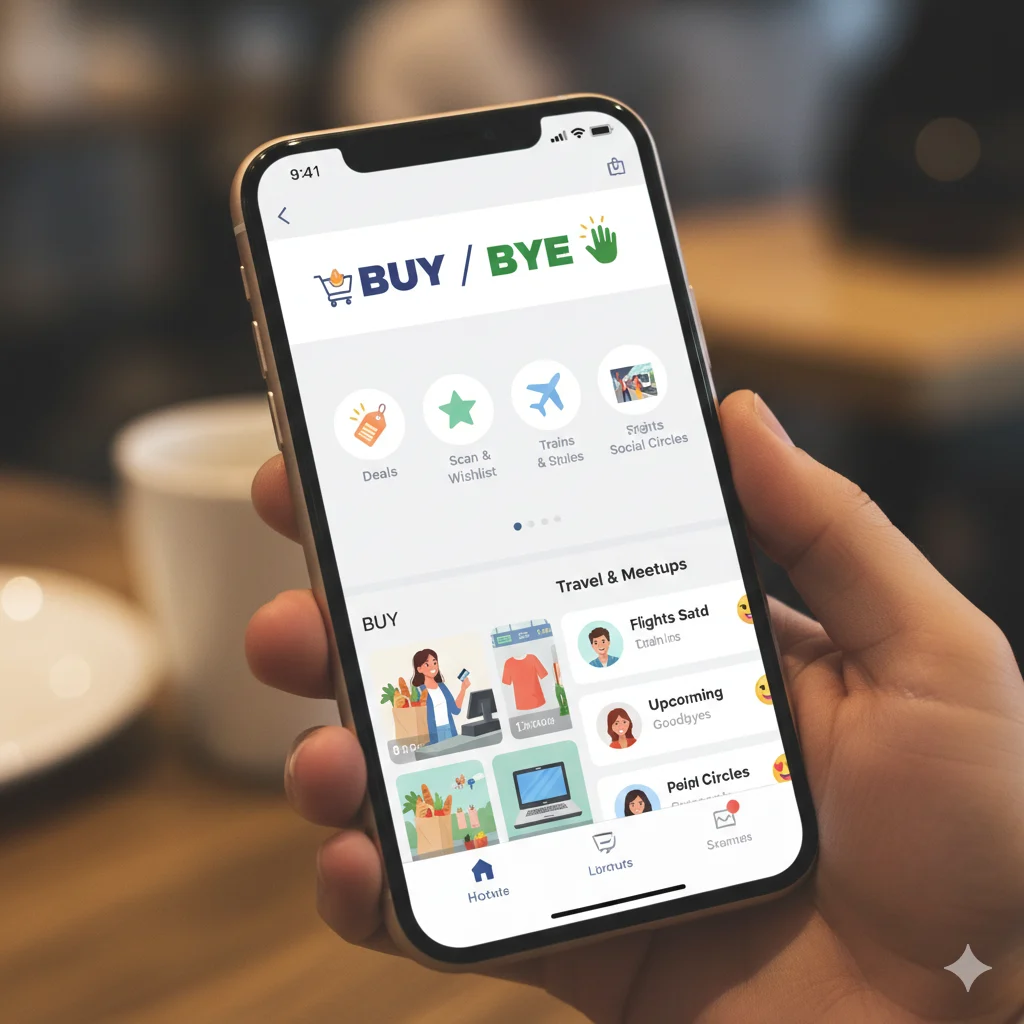
Plus, we’ll explore the popular [BuyBye app], its APK version, and how “By Buy Bye shopping” and “BuyBye fun” are used in digital spaces. By the end, you’ll feel confident using these words correctly in writing, online, and professional communication.
Buy or Bye means

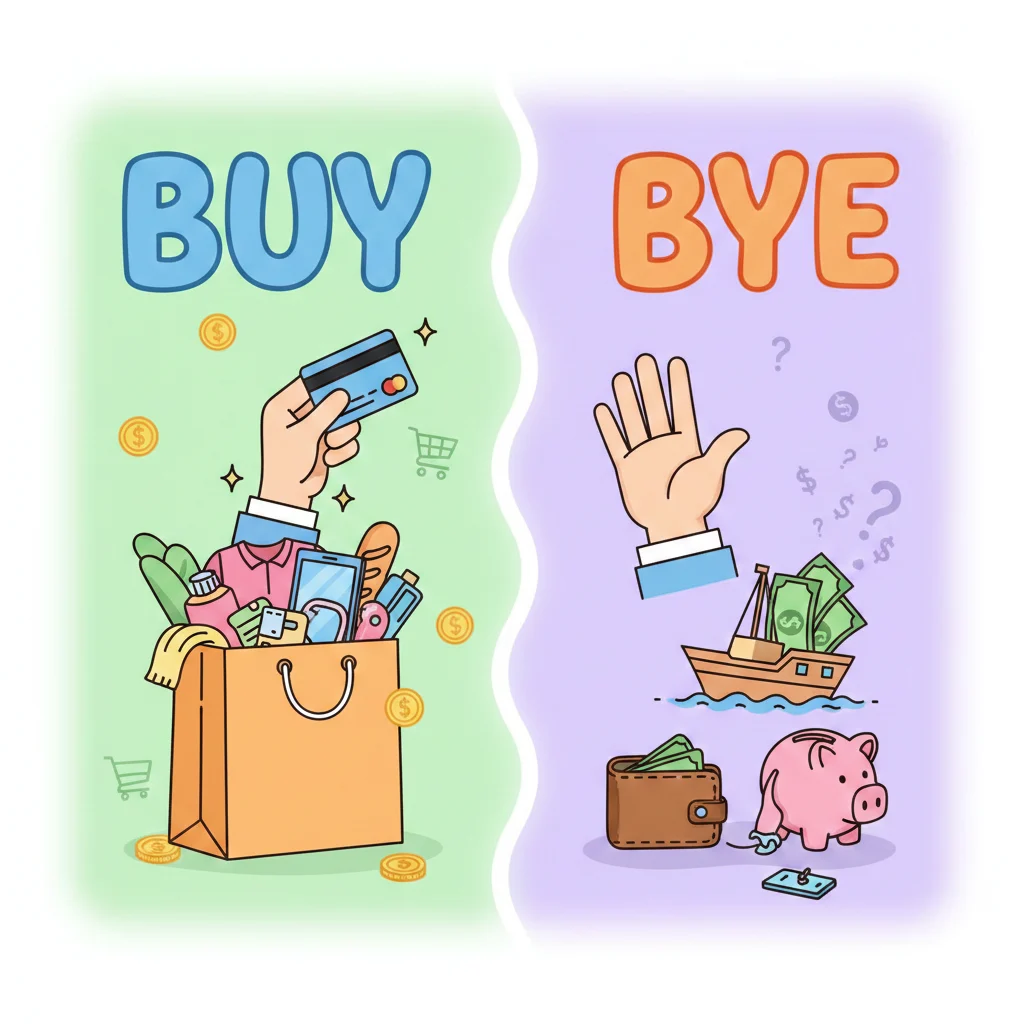
Buy is a verb that means to purchase something, while Bye is a short form of “goodbye,” used when leaving or ending a conversation.
Examples:
- I want to buy the new BuyBye app.
- She waved and said bye to her friends.
- Download the BuyBye APK for fun shopping experiences.
Quick Tip: If you are talking about shopping or apps like BuyBye online, use buy. If you are ending a conversation, use bye.
The Origin of Buy or Bye
The word buy comes from Old English bycgan, meaning to acquire or purchase. It has remained largely the same over centuries, appearing in forms like “buying” or “bought.”
On the other hand, bye is a shortened form of goodbye, originating in the 16th century as a contraction of “God be with ye.” Over time, it became casual and is now widely used in informal communication.
The spelling differences exist because they evolved from entirely separate words with different meanings. This distinction is crucial, especially in English apps and shopping platforms like BuyBye website, where misunderstanding could lead to incorrect actions.
British English vs American English Spelling
Both buy and bye are spelled the same in British and American English, but usage can slightly differ in context. For example, in the US, “bye” might be more casual, whereas in the UK, formal writing might avoid casual contractions.
| Word | British English | American English | Example |
|---|---|---|---|
| Buy | Buy | Buy | I want to buy a new phone. |
| Bye | Bye | Bye | He said bye and left the room. |
When discussing digital platforms:
- BuyBye app download – Used in both regions.
- BuyBye online – Common in American English for e-commerce.
Which Spelling Should You Use?
- US Audience: Use “buy” for shopping or purchases. Use “bye” in messages and casual writing.
- UK/Commonwealth Audience: Same rules, but formal letters might avoid using “bye” casually.
- Global Digital Audience: If you’re referring to the BuyBye app, BuyBye website, or BuyBye APK, always capitalize the brand and use the word exactly as marketed.
Advice: Always consider the context. For example, “Download the BuyBye app” uses “buy” as part of a proper noun. Saying “I said bye” refers to leaving someone.
Common Mistakes with Buy or Bye
- Incorrect: I want to bye the app.
Correct: I want to buy the app. - Incorrect: She waved and said buy.
Correct: She waved and said bye. - Mixing digital brand names: By Buy Bye shopping is correct when referring to the branded service, not casual conversation.
Tips:
- Check if it’s a verb (purchase) → use buy.
- Check if it’s a farewell → use bye.
- When using BuyBye fun or BuyBye online, capitalize the brand to avoid confusion.
Buy or Bye in Everyday Examples
- Emails: “I will buy the software tomorrow.” / “Thanks for your help, bye!”
- News: “BuyBye website launches new shopping features this week.” / “Fans say bye to the legendary actor.”
- Social Media: “Just downloaded the BuyBye app download – so much BuyBye fun!” / “Had a great day with friends, bye bye everyone!”
- Formal Writing: Use buy for transactions. Avoid bye unless quoting dialogue.
Buy or Bye – Google Trends & Usage Data
According to Google Trends:
- Buy spikes during sales seasons, app launches, and shopping festivals.
- Bye is consistent daily, with peaks during holidays or TV show finales.
- BuyBye app searches peak in the US, India, and the UK, reflecting e-commerce growth.
Observation: People often type Buy bye when they mean the app or brand, showing the importance of context in digital marketing.
Comparison Table: Buy or Bye Variations
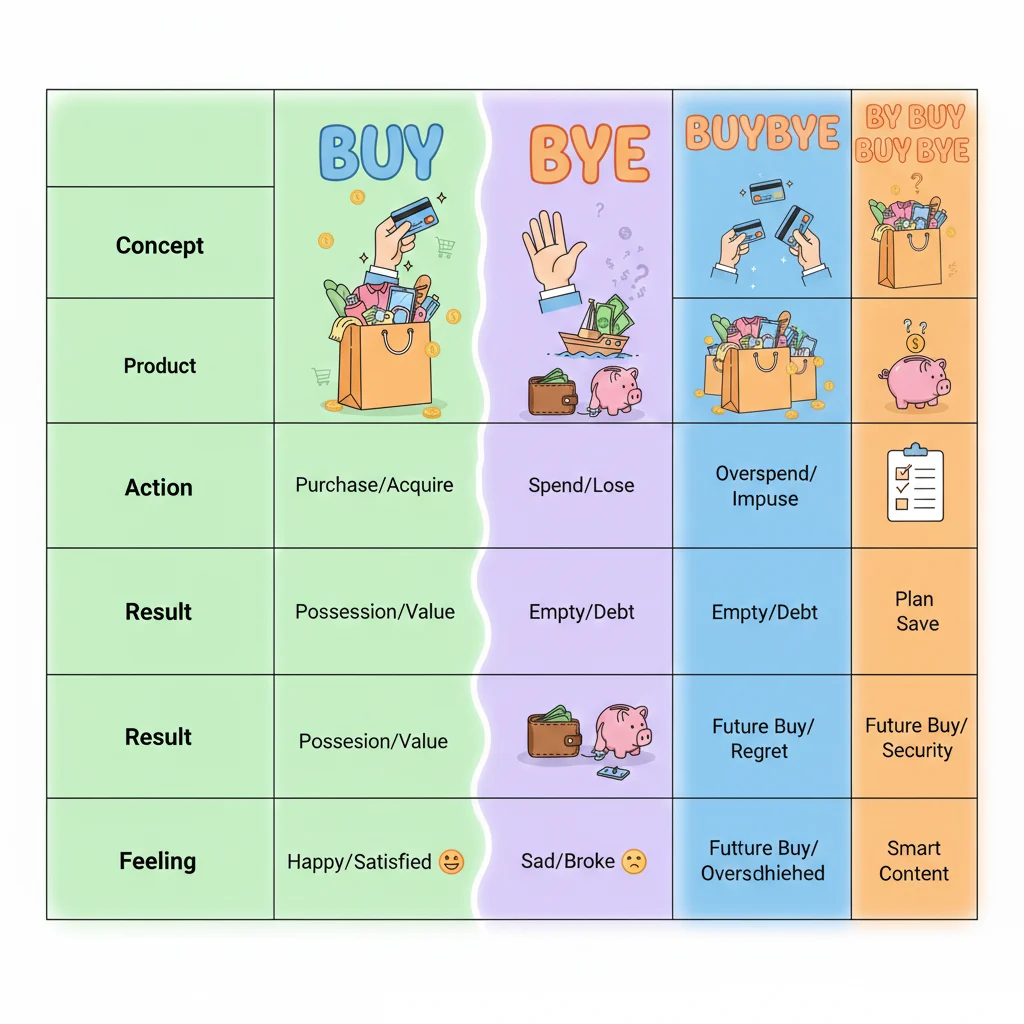
| Variation | Meaning | Example |
|---|---|---|
| Buy | Purchase | I will buy a gift. |
| Bye | Goodbye | She said bye and left. |
| BuyBye | Brand/App | Download the BuyBye app for shopping fun. |
| Bye Bye | Informal Goodbye | He waved bye bye. |
| By Buy Bye | Shopping platform reference | By Buy Bye shopping offers discounts. |
FAQs
Q1: What does buy bye mean?
A1: It can mean either purchasing something (buy) or saying goodbye (bye). In the context of the BuyBye app, it’s a brand name.
Q2: What is by buy bye?
A2: It refers to the shopping platform or service called By Buy Bye shopping.
Q3: Is it a buy or a bye?
A3: Use buy for purchases and bye for farewells.
Q4: What is BuyBye?
A4: BuyBye is a digital shopping app and website providing fun, easy online shopping experiences.
Q5: Can I download BuyBye APK?
A5: Yes, the BuyBye APK is available for Android devices, often mentioned as BuyBye app download.
Q6: How to use BuyBye in a sentence?
A6: “I love BuyBye fun features on the app!” or “Check the BuyBye website for discounts.”
Q7: Is Bye Bye informal?
A7: Yes, bye bye is casual and used in personal conversations, texts, or social media.
Conclusion
Understanding the difference between buy and bye is essential for clear communication. Buy relates to purchasing, while bye signals farewells. Mistaking one for the other can lead to confusion, especially in digital platforms and apps like BuyBye online, BuyBye app, or By Buy Bye shopping. By using the right spelling, context, and capitalization, you can communicate effectively whether writing emails, posting on social media, or exploring the fun features of BuyBye fun.
Always remember:
- Use buy for shopping and transactions.
- Use bye for farewells.
- Capitalize brand names like BuyBye to avoid confusion.
Mastering this simple rule helps you stay professional, clear, and understood in both personal and digital spaces.

Neville Goddard was a visionary spiritual philosopher whose teachings on imagination and consciousness continue to transform lives. His work reveals how our thoughts create reality and how faith shapes destiny. On this angel number site, Neville’s perspective deepens our understanding of divine numbers — showing how each sequence mirrors our inner beliefs and the creative power of the mind.