Confused about “bored or broad”? You are not alone. Many search Is it bored or board? or What do you mean by broad? because these words sound similar but mean very different things. This guide gives you a quick answer, clear examples, and professional advice.
People often mix up bored, board, and broad in emails, school work, and social media posts. Some even search for Bored vs board pronunciation or laugh at a board vs bored meme. English homophones can be tricky, but this guide solves your confusion fast.
By the end, you will know: What is correct, bore or bored?, The full meaning of bored, and how to confidently use each word in writing and speech.
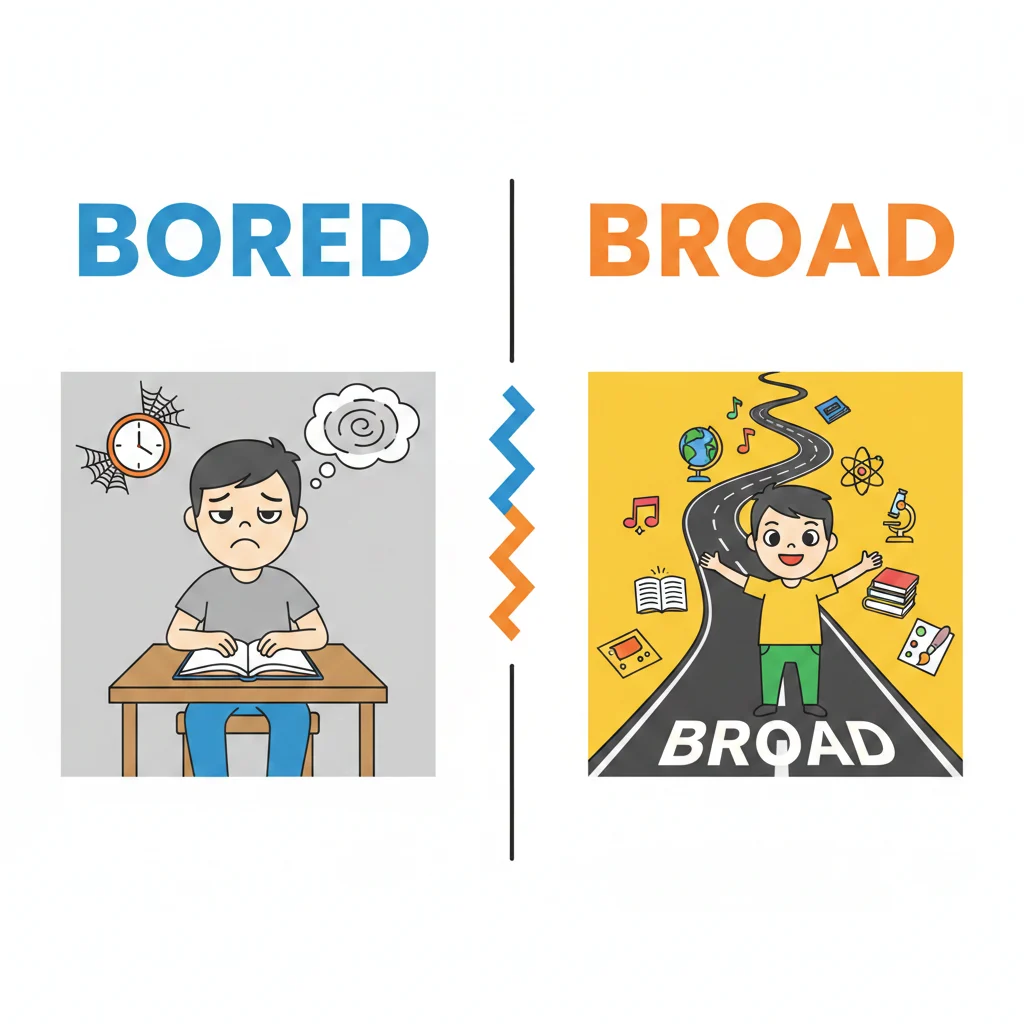
Bored or Broad Means
- Bored: Feeling tired, uninterested, or dull.
Example: “I got bored during the long lecture.” - Broad: Wide, large, or covering many things.
Example: “She has a broad smile.” - Bore vs Bored:
- Bore = verb (to make someone tired)
- Bored = adjective (feeling tired)
✅ Tip: If you feel dull or uninterested → use bored. If you mean width or size → use broad.
The Origin of Bored or Broad
- Bored: From the verb bore, 1700s, meaning “to make weary.”
- Broad: From Old English brād, meaning “wide” or “large,” used over 1,000 years.
The spelling difference exists because their roots and meanings are completely different. They only sound similar in modern English.
British English vs American English Spelling
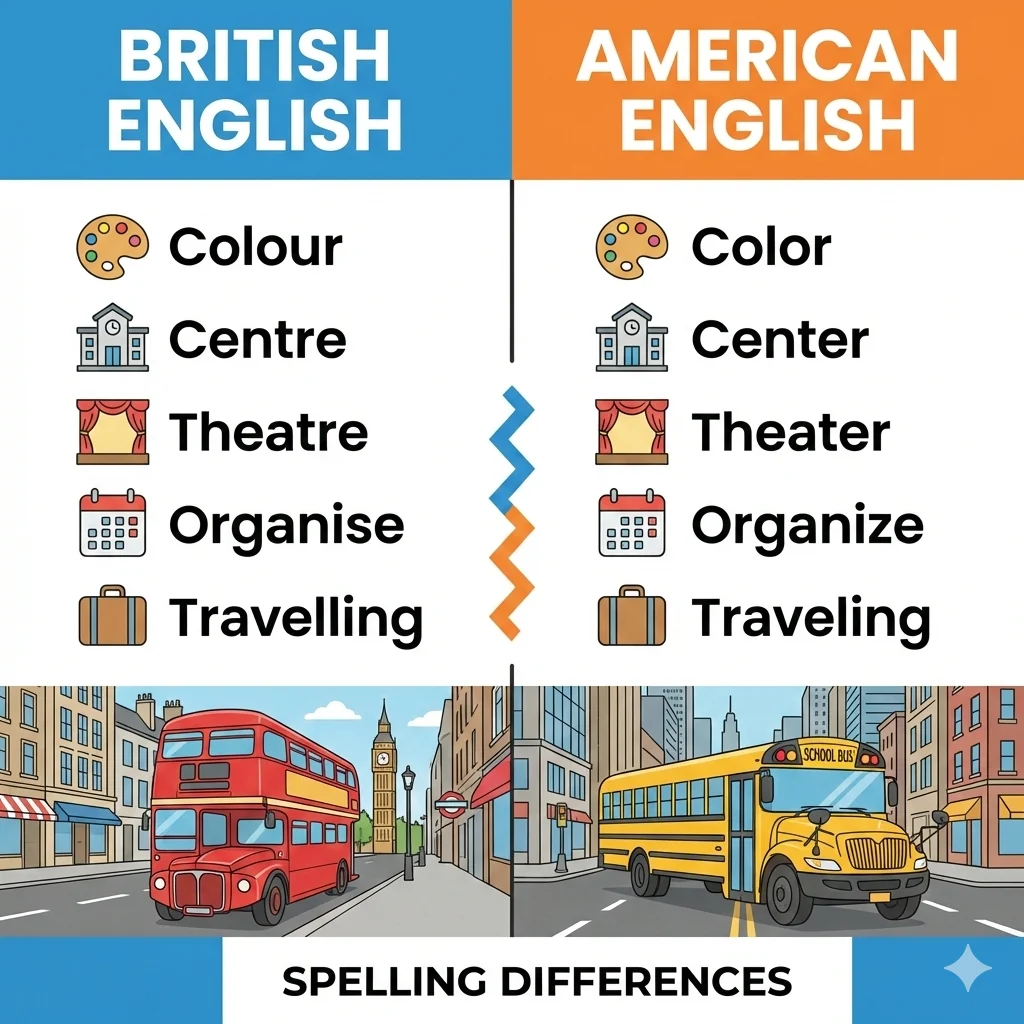
Good news: There is no difference in spelling for bored and broad between British and American English. Confusion is about meaning, not region.
| Word | Meaning | Example | US Spelling | UK Spelling |
|---|---|---|---|---|
| Bored | Feeling tired | I am bored. | Bored | Bored |
| Broad | Wide | Broad road | Broad | Broad |
Both spellings are correct everywhere. Context decides usage.
Which Spelling Should You Use?
Use bored when describing feelings.
Use broad when talking about width, scope, or range.
- US readers → Same spelling, follow meaning.
- UK/Commonwealth readers → Same spelling, follow meaning.
- Global audience → Pick word based on sentence context.
Professional tip: Read your sentence carefully. Ask: Am I talking about a feeling or about size? That small check prevents mistakes.
Common Mistakes with Bored or Broad
| Wrong | Correct | Note |
|---|---|---|
| I am broad at home. | I am bored at home. | Feeling mistake |
| She looked bored shoulders. | She had broad shoulders. | Width mistake |
| Board vs bored meme | I got bored during the board meeting | Homophone confusion |
Other frequent searches:
- Board bored homophones in sentences
- Bored you meaning
- Bored with examples
Bored or Broad in Everyday Examples
Emails
- “I got bored reading the long report.”
- “We need a broad strategy for marketing.”
News & Articles
- “The company announced broad reforms to education.”
- “Students reported feeling bored during online classes.”
Social Media
- “So bored today!”
- “That’s a broad topic!”
Formal Writing
- “The study had a broad focus on global health.”
- “Participants felt bored during the lengthy survey.”
Bored or Broad – Google Trends & Usage Data

Search insights:
- “Is it bored or board?” → Popular in US, UK, India, Pakistan.
- “I got bored meaning” → High search volume in Asia.
- “Board vs bored meme” → Popular on social media.
✅ Observation: Bored dominates casual writing.
Broad dominates academic and professional contexts.
Comparison Table: Bored, Board, Broad
| Word | Part of Speech | Meaning | Example Sentence |
|---|---|---|---|
| Bore | Verb | To make tired | The lecture bored me. |
| Bored | Adjective | Feeling tired | I am bored. |
| Board | Noun | Wood or group | Board meeting today. |
| Broad | Adjective | Wide or large | Broad river. |
FAQs
- Is it bored or board?
- Bored = feeling dull; Board = wood or group.
- What do you mean by broad?
- Broad = wide, large, or covering many topics.
- What is correct, bore or bored?
- Bore = verb, Bored = adjective.
- What is the full meaning of bored?
- Feeling tired, uninterested, or dull.
- What does “I got bored” mean?
- You started feeling uninterested or restless.
- Are bored and broad homophones?
- They sound similar but are not exact homophones.
- Why do people confuse bored and broad?
- Because in fast speech, they sound alike.
Conclusion
Understanding bored or broad meaning is simple with context. Use bored for feelings and broad for size or scope. No spelling difference exists between US and UK English.
Check sentences carefully: Feeling vs Size. Context will prevent mistakes and boost professionalism. Use these words correctly in emails, social media, articles, and essays to communicate clearly.
Clear usage shows strong English skills and earns trust with readers. After this guide, you can confidently write “I got bored” or “That’s a broad topic” without second-guessing.